

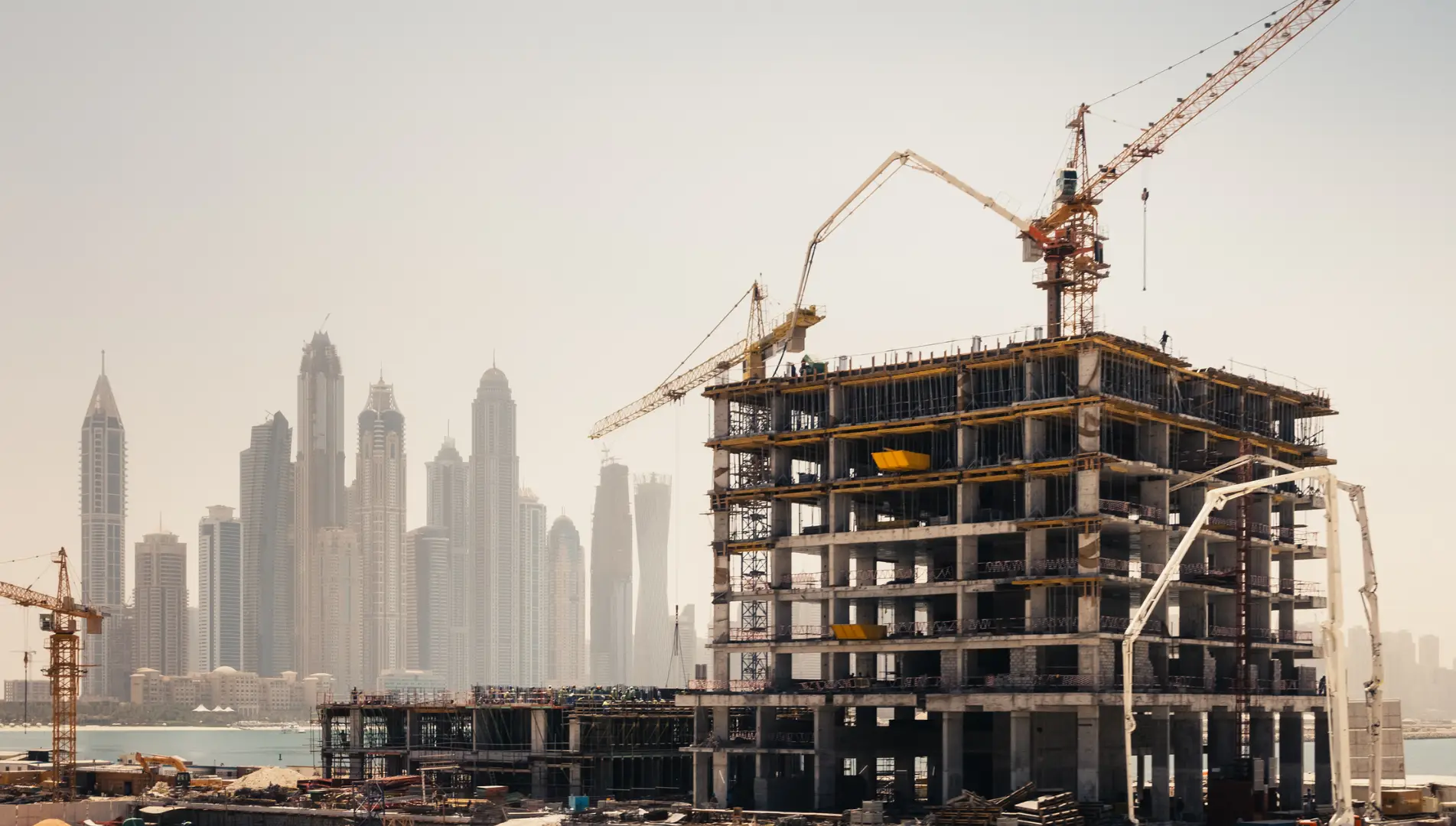

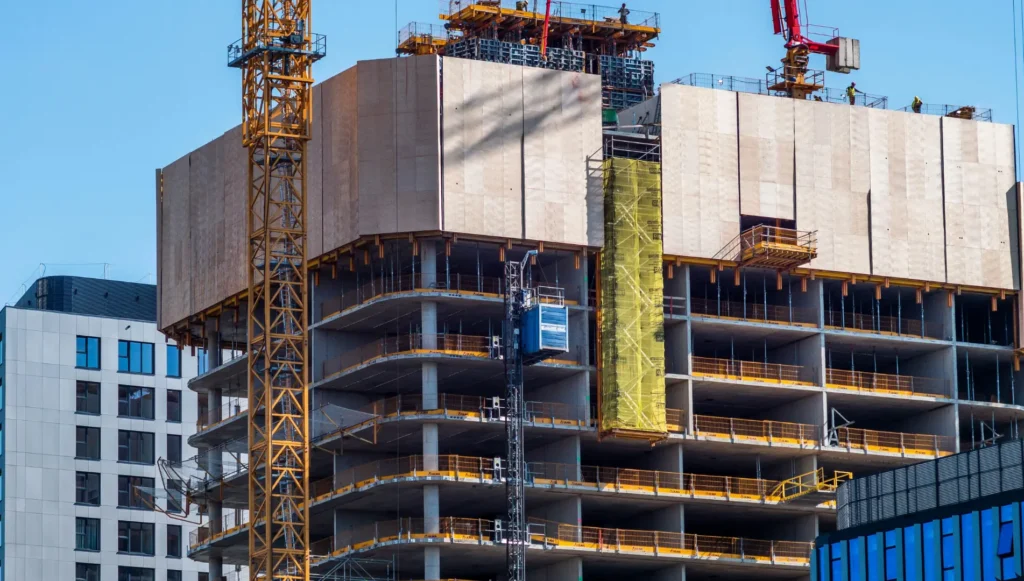
Abu Dhabi’s skyline tells only half the story. Behind every new tower, residential community, logistics hub, or industrial zone lies a layer of civil and infrastructure work that most people never see—but everyone depends on. As the emirate accelerates its expansion across areas like MBZ City, Khalifa City, Mussafah, Saadiyat Island, Reem Island, and KIZAD, the quality of what happens below ground and at ground level is becoming just as important as the architecture that rises above it.
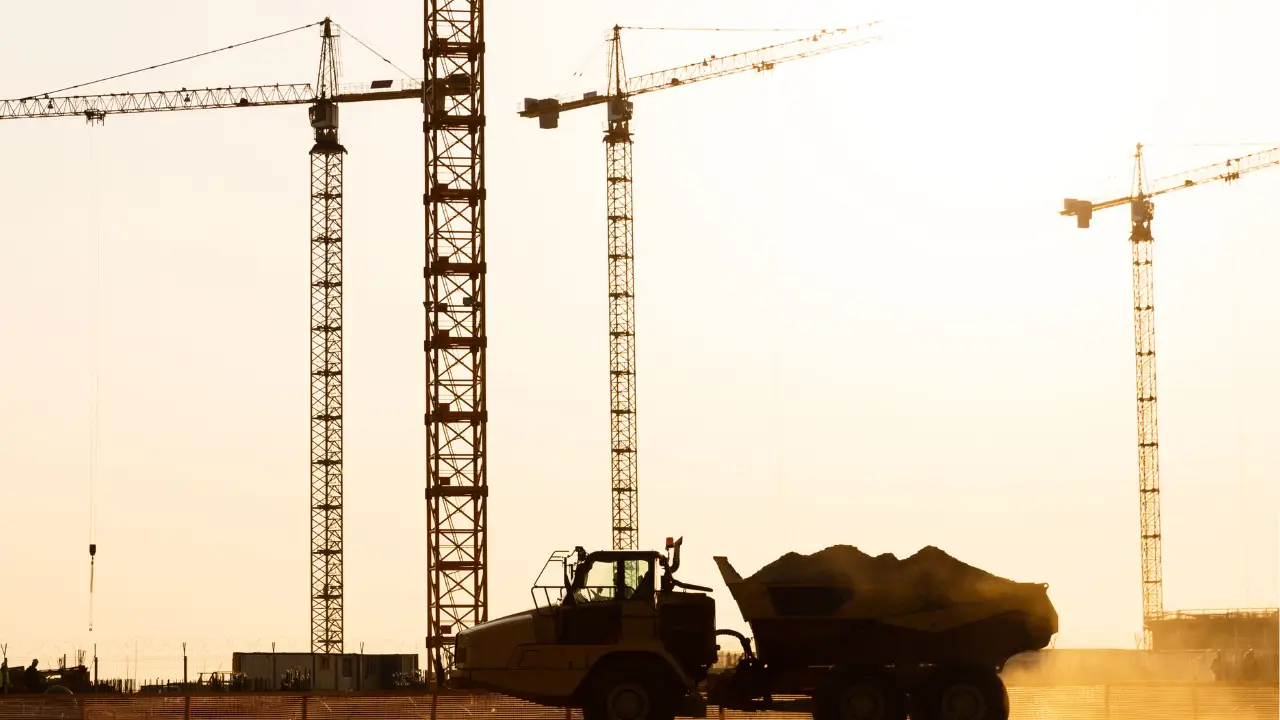
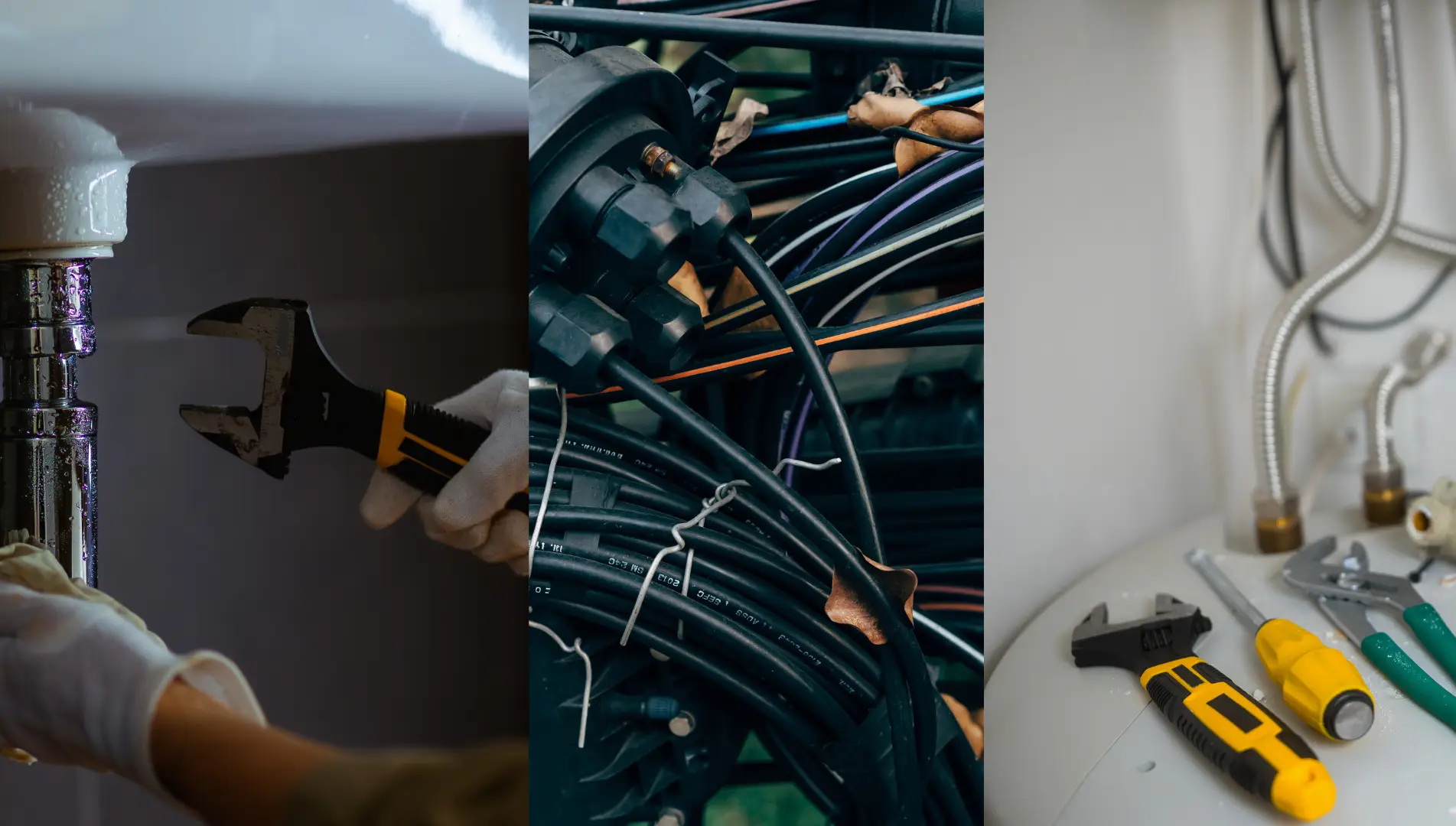
Civil and infrastructure engineering is what turns land into a functioning city. Before any building can open its doors, the site must be properly graded, connected, and protected. Earthworks shape the terrain, foundations transfer loads safely into the ground, and networks for water, sewerage, stormwater, electricity, and telecoms are laid out with future capacity in mind. When these elements are designed and executed carefully, roads remain stable, neighbourhoods drain correctly during heavy rain, and new projects can hook into existing systems without costly redesigns. When they are rushed or undervalued, cracks, settlement, flooding, and service disruptions become recurring themes that slowly erode trust and asset value.
Abu Dhabi’s conditions make this work even more critical. High temperatures, sandy soils, and in some zones elevated groundwater levels demand a deeper understanding of materials, compaction, and drainage than more temperate cities might require. A road that appears fine in the first year can begin to rut and deform if the sub-base was not prepared correctly. A community that looks complete on handover can experience repeated waterlogging if stormwater routes were undersized or poorly graded. In a market where timelines are tight and expectations are high, only contractors who respect these technical realities consistently deliver infrastructure that performs under pressure.
The scale of planned investment makes the conversation even more urgent. Abu Dhabi is committing tens of billions of dirhams over the coming years to housing, transport links, utilities, social infrastructure, and industrial ecosystems. That spending is not just about connecting today’s residents; it is about building frameworks that can absorb new population, new industries, and new technologies. Roads, tunnels, bridges, and utility corridors being laid now must be ready to handle heavier traffic, denser communities, and smarter systems. Every decision taken at the civil and infrastructure stage either widens or narrows what is possible for the city in ten or twenty years.
For contractors working in this space, the responsibility is substantial. Delivering civil and infrastructure works in Abu Dhabi is not simply about moving soil and pouring concrete; it is about coordinating with master plans, utility authorities, environmental guidelines, and long-term maintenance strategies. A contractor that plans alignments carefully, documents as-built layouts accurately, and hands over clean, test-proven networks is effectively giving future engineers a strong base to work with. One that leaves undocumented changes, marginal compaction, or short-term fixes behind forces future teams to pay the price in troubleshooting and rework.
This is where companies with a dedicated focus on civil and infrastructure works add real value to developers and government bodies. A partner that understands excavation, subgrade preparation, road layering, stormwater and sewer design, and multi-utility corridors can de-risk an entire project cluster, not just a single plot. When that expertise is combined with local experience in Abu Dhabi’s approval processes and technical standards, the result is smoother delivery, fewer site conflicts, and infrastructure that integrates seamlessly with the wider city.
Maintenance is part of the same story. Even the best-built networks age and face new stresses as developments fill up and traffic patterns change. Civil and infrastructure specialists who remain involved through inspection, rehabilitation, and upgrades help cities avoid sudden failures. A small crack in a road surface or a minor settlement around a manhole can be a signal, not just a defect—if the right eyes are looking at it. When inspection and corrective work are planned and systematic instead of reactive, the lifecycle of roads, pipelines, and foundations extends dramatically.
Abu Dhabi’s ambition is clear: a safe, efficient, and globally competitive city built on reliable infrastructure. Achieving that ambition is not only about announcing mega projects; it is about the discipline and precision applied to the civil and infrastructure packages that sit at their core. For developers, investors, and public agencies, choosing partners who treat this phase as strategic rather than routine is one of the most important decisions they will make.
In the end, the real test of civil and infrastructure work is not how impressive it looks on a drawing, but how invisible it becomes once the city is running. When people drive without thinking about the road beneath them, when rainwater disappears instead of pooling, when new buildings connect to existing networks without major disruption—that is when Abu Dhabi’s civil and infrastructure engineering is truly doing its job, quietly enabling the city’s rapid development every single day.